
9/30 Torchbearer Weekly Policy Update
Thank you for letting us be your trusted source for local, state, and federal policy updates.
Let’s dig in…
- Indiana Seeking Utility Regulators
- Governor Braun’s Strategy Increases Wages, Return-on-Investment for Hoosier Taxpayers
- Hoosier Farmers Celebrate Taiwan’s Pledge to Buy $6B in U.S. Corn and Soybeans
- Panel Hears Warnings on Rising Indiana Prison Population, Local Corrections Funding Shortfalls
- Committee Scrutinizes Maternal, Infant Mortality Rates
- States Scramble to Plug Transportation Funding Holes
- Share the Torchbearer Newsletter with Your Network!
- Important Dates
Indiana Seeking Utility Regulators

Should the AES rate hike case move forward, several new faces will be considering it.
Driving the news: The state is taking applications to fill three soon-to-be-open seats on the Indiana Utility Regulatory Commission.
- Gov. Mike Braun said the nominating committee is looking for "entrepreneurial" candidates.
Why it matters: Rising utility costs are squeezing Hoosier families. During a press conference Tuesday, Braun likened the issue to the property tax debate that took over much of the last legislative session.
State of play: Commissioners Jim Huston, Wesley Bennett and Sarah Freeman have each announced their intentions to leave the five-member IURC, which regulates electric, natural gas, steam, water and wastewater utilities.
- Bennett and Freeman will leave in October, while Huston plans to leave in January.
What they're saying: "It is important that the IURC nominating committee look at applicants through a lens that considers one's ability to protect ratepayers while objectively weighing the facts and proposals that will impact Hoosiers for years to come," Braun said in a news release.
The latest: The application is available online and open until Oct. 14. (Axios)
Governor Braun’s Strategy Increases Wages, Return-on-Investment for Hoosier Taxpayers
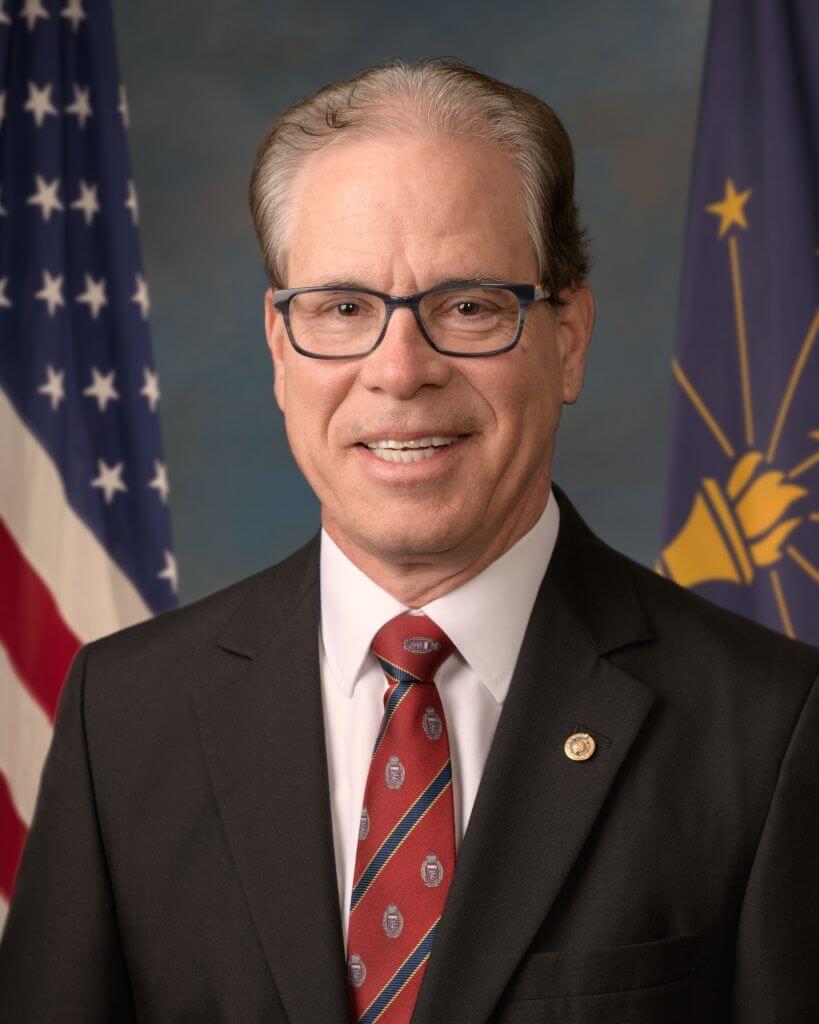
At the quarterly board meeting of the Indiana Economic Development Corporation (IEDC), Governor Mike Braun highlighted the successes of his administration’s new approach to economic development.
Why it matters: Governor Braun's initiatives have led to a 10% increase in average wages of jobs incentivized by the IEDC, rising from $37 to $41 hourly, translating to over $8,000 annually per job.
- Costs per incentivized job have decreased from $55,000 to $16,000, enhancing economic efficiency.
The big picture: Governor Braun emphasized the dual focus on increasing wages and jobs, promoting Indiana as an ideal place for businesses and careers.
- The IEDC board voted to release the results of a forensic audit, which highlighted the need for increased transparency and accountability in taxpayer spending.
What’s next: New policies include full board voting, ensuring investment activity remains in Indiana, and winding down the Indiana Economic Development Foundation.
- Future contracts with partners like Elevate Ventures will include these new oversight controls to maximize taxpayer value. (Governor’s Office Press Release)
Hoosier Farmers Celebrate Taiwan’s Pledge to Buy $6B in U.S. Corn and Soybeans

Indiana farmers are set to benefit from a new trade agreement with Taiwan, designed to mitigate the impact of previous U.S.-China trade tensions.
Why it matters: With exports to China declining, this deal offers Indiana's agricultural sector a vital lifeline, promising increased demand for their products.
- Taiwanese officials have committed to purchasing around $6 billion worth of U.S. corn and soybean products over the next four years.
- The letters of intent, signed with the Indiana Corn Marketing Council and the Indiana Soybean Alliance, are a significant boost for the local economy.
The big picture: The deal is part of a broader strategy to strengthen U.S.-Taiwan relations amidst growing tensions with China.
- Taiwan is heavily reliant on imports for its food supply, making U.S. partnerships crucial.
Between the lines: Indiana's longstanding relationship with Taiwan, dating back to 1979, continues to yield benefits.
- The state's commitment to quality and sustainable agriculture was praised by Taiwan's Deputy Minister of Agriculture, Wen-Jane Tu. (IBJ)
Panel Hears Warnings on Rising Indiana Prison Population, Local Corrections Funding Shortfalls

The Indiana Department of Correction reports a surge in the state's prison population, now exceeding 25,000 inmates.
Why it matters: Indiana's facilities are operating at over 95% capacity, posing challenges for inmate management and rehabilitation efforts.
- The pandemic temporarily reduced incarceration numbers, but recent sentencing changes and a rise in serious felony cases have reversed this trend.
The big picture: Funding for local alternatives like community corrections has been stagnant, with significant cuts looming.
- Marion County's community supervision program is more cost-effective than incarceration but faces a $7 million funding cut this year.
What’s next: Lawmakers must address the root causes of crime, focusing on mental health and substance use disorders to reduce recidivism.
- Representative Matt Pierce urges investment in underlying causes rather than solely expanding prison capacity.
The bottom line: Without addressing funding and policy issues, Indiana's correctional system faces growing strain from rising inmate numbers and inadequate support for community-based programs. (Indiana Capital Chronicle)
Committee Scrutinizes Maternal, Infant Mortality Rates

Indiana's maternal and infant mortality rates are declining, yet advocates stress more work is needed to improve health outcomes.
Why it matters: Indiana has historically faced high maternal mortality rates, especially among Black mothers, and reducing these rates is crucial for community health.
- The state has seen progress in infant health, but maternal deaths remain above pre-COVID levels.
- With Medicaid covering half of all births, extending postpartum coverage to 12 months aims to improve access to health services.
The big picture: Funding for local health programs has been cut, impacting efforts to improve maternal and infant health outcomes.
- Programs like Health First Indiana, which provided crucial services, have faced significant budget reductions.
What's next: Lawmakers and health officials must focus on enhancing access to perinatal care and mental health services for new mothers.
- Efforts include expanding Medicaid coverage for doulas and improving maternal mental health screenings.
The bottom line: Addressing mental health and substance use disorders is vital in reducing maternal mortality and improving overall family health. (Indiana Capital Chronicle)
States Scramble to Plug Transportation Funding Holes

States face financial pressures as they struggle to maintain infrastructure amid rising costs and dwindling revenues.
Why it matters: Inflation and declining gas tax revenues are forcing states to find alternative funding sources to maintain critical infrastructure.
- Federal funding uncertainty adds to the challenge, with potential cuts to Biden-era programs.
The big picture: States are considering measures like increased vehicle registration fees and gas taxes to bridge funding gaps.
- Long-planned projects may be delayed, affecting road safety and transit services.
What's next: Oregon and Pennsylvania exemplify the crisis, with potential job losses and service cuts if new funding isn't secured.
- Lawmakers in Oregon are set to vote on a $4.3 billion transportation package, which could alleviate some of the immediate pressures.
By the numbers: Philadelphia's transit system, SEPTA, has shifted $394 million from capital to operational expenses to avoid service cuts.
- Pennsylvania faces a 63% increase in school late arrivals due to transit disruptions, highlighting the broader impact on communities. (Stateline)
Share the Torchbearer Newsletter with Your Network!

Not signed up for our weekly newsletter? Sign up today!
Important Dates:

Legislative Council, Audit and Financial Reporting Subcommittee: Wednesday, October 1st at 1:30 pm
Interim Study Committee on Agriculture: Thursday, October 2nd at 1:00 pm
Interim Study Committee on Child Services: Thursday, October 2nd at 1:00 pm
Interim Study Committee on Environmental Affairs: Wednesday, October 8th at 11:00 am
Interim Study Committee on Commerce and Economic Development: Thursday, October 9th at 1:30 pm
Interim Study Committee on Fiscal Policy: Friday, October 10th at 1:00 pm
State Board of Education Meeting: Wednesday, October 15th at 9:00 am
Interim Study Committee on Public Health, Behavioral Health, & Human Services: Wednesday, October 15th at 1:00 pm
Interim Study Committee on Roads and Transportation: Monday, October 20th at 10:00 am
Code Revision Committee: Tuesday, October 21st at 9:30 am
Interim Study Committee on Pension Management Oversight: Monday, October 27th at 1:00 pm
Code Revision Committee: Thursday, October 30th at 10:30 am
State Fair Advisory Committee: Thursday, October 30th at 1:30 pm
Government Reform Task Force: Wednesday, November 5th at 1:30 pm
Organization Day: Tuesday, November 18th