
12/16 Torchbearer Weekly Policy Update
Thank you for letting us be your trusted source for local, state, and federal policy updates.
Let’s dig in…
- Senate Republicans Reject Trump’s Plea for Gerrymandered Maps
- Federal Reserve Cuts Interest Rates in Divisive Vote
- Immigration Crackdown Bill Continues Indiana Republican Split
- ‘Away for the Day’: Indiana Lawmakers Take Up Bill Expanding Cellphone Ban to Entire School Day
- Ratepayer Advocates Recommend Energy Bill ‘Relief Plan’
- Lawmakers Move to Phase Out Health-Specific Retirement Benefit
- IEDC Releases Job Data, Regional Development Vision
- Braun Names 3 New Members for Indiana Utility Oversight Board
- Trump Tires to Neuter State AI Laws
- State Revenues Beat Projections in November
- Share the Torchbearer Newsletter with Your Network!
- Important Dates
Senate Republicans Reject Trump’s Plea for Gerrymandered Maps

The Republican-dominated Indiana Senate voted 31-19 to reject proposed changes to the state’s congressional maps, defying demands from President Trump.
Why it matters: This makes Indiana the first Republican-led state to dismiss Trump’s push for more GOP-friendly seats, impacting the party’s chances of maintaining its U.S. House majority after the 2026 midterms.
Key players: The decision saw 21 Republicans join 10 Democrats, with notable opposition from Senate President Pro Tem Rodric Bray and Senator Greg Goode, who cited overwhelming public opposition.
Community response: A crowd of 100 protesters outside the Senate chamber cheered the decision, reflecting widespread public sentiment against the redistricting plan.
Senate dynamics: Sen. Sue Glick highlighted the backlash against federal pressure, noting, “You have to know Hoosiers, we can’t be bullied.”
What’s next: With the bill falling short of the necessary votes, it can’t be revisited until the 2027 session. Meanwhile, the dynamics between Indiana and Washington D.C. remain tense as federal influence in state matters is scrutinized. (Indiana Capital Chronicle)
Federal Reserve Cuts Interest Rates in Divisive Vote
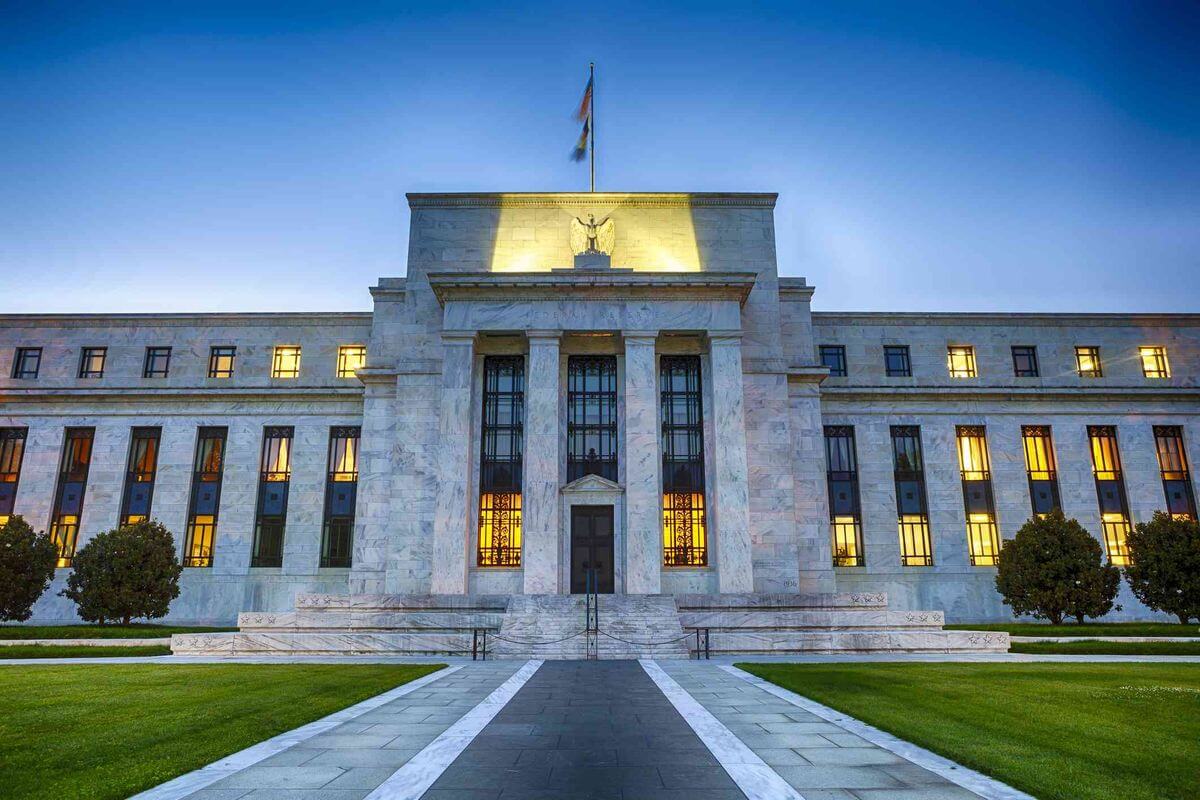
The Federal Reserve cut interest rates to a range of 3.5 to 3.75% in an unusually narrow vote, highlighting divisions over the impact on inflation and employment.
Why it matters: The decision underscores the challenges Fed Chair Jerome Powell faces in uniting the FOMC amid economic uncertainty.
- Such division is rare, with three members opposing the move.
- The decision comes as the U.S. grapples with rising inflation and a slowing job market.
The big picture: Fed officials are divided on how quickly to cut rates without exacerbating inflation.
- Some see tariff-driven inflation as temporary, while others remain cautious.
- Powell stresses consensus on fundamental issues, despite different strategies.
What’s next: With President Trump potentially naming Powell’s successor soon, the future of Fed leadership remains uncertain.
- Economic projections signal optimism, with inflation expected to decrease by 2026 and GDP growth to improve.
- AI and consumer spending are seen as key drivers of economic resilience. (The Hill)
Immigration Crackdown Bill Continues Indiana Republican Split

A key state senator and Attorney General Todd Rokita are at odds over Senate Bill 76, which seeks to tackle illegal immigration in Indiana.
Why it matters: The bill’s outcome will impact how the state handles unauthorized employment and could influence hiring practices.
- Rokita backs a stronger version, Senate Bill 122, granting his office more enforcement power.
- Sen. Liz Brown’s proposal focuses on not expanding government power.
The backdrop: The conflict stems from a previous immigration bill that failed to advance earlier this year due to Brown’s opposition.
- Rokita accused Brown of blocking the bill for personal reasons, a claim she denied.
What’s next: The Senate Judiciary Committee has passed Brown’s bill, moving it to the full Senate for consideration in January.
- The debate continues to draw sharp criticism and support from both sides, with implications for Indiana’s stance on federal immigration laws and potential racial profiling concerns. (Indiana Capital Chronicle)
‘Away for the Day’: Indiana Lawmakers Take Up Bill Expanding Cellphone Ban to Entire School Day

Indiana lawmakers are debating a new “bell to bell” proposal to tighten cellphone restrictions in K-12 schools, requiring students to store devices securely or leave them at home.
Why it matters: The bill aims to reduce distractions in classrooms and improve educational outcomes.
- Senate Bill 78 mandates students either not bring phones or store them so they’re inaccessible during school hours.
- Exemptions exist for emergencies and students with disabilities or medical conditions.
The backdrop: Current Indiana law restricts devices during instructional time but lacks enforcement specifics.
- Sen. Jeff Raatz argues the need for uniform policies to ensure consistency across schools.
What’s next: The bill awaits amendments and a vote in early January.
- A similar proposal is in the works for the 2026 session.
- National trends show increasing support for stricter cellphone policies in schools. (Indiana Capital Chronicle)
Ratepayer Advocates Recommend Energy Bill ‘Relief Plan’
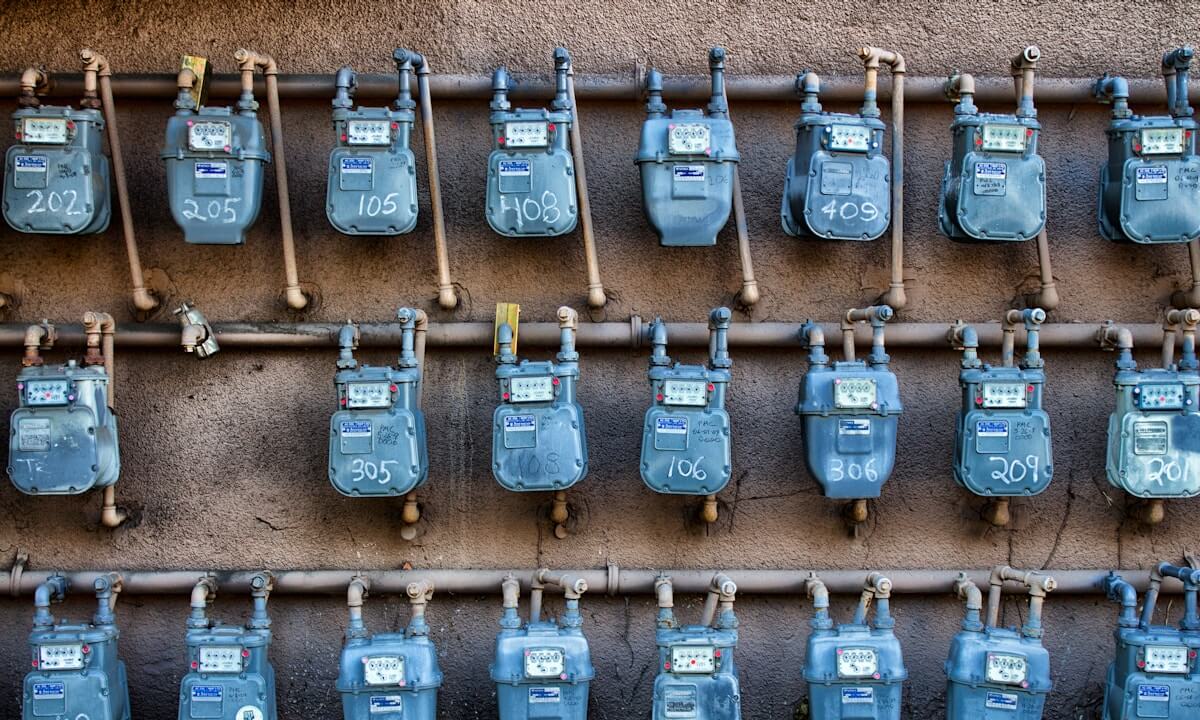
Indiana utility advocacy groups unveiled a reform plan to make energy more affordable for low-income residents and small businesses.
Why it matters: The “Help Hoosiers Now Ratepayer Relief Plan” seeks to address rising energy costs affecting 87% of Hoosier households.
- The plan proposes discounts for low-income customers and a summertime shutoff ban.
- It aims to reform state oversight, ensuring fairness and affordability in utility rates.
The backdrop: Advocacy groups criticize monopoly utilities for policies that increase customer bills.
- Calls for changes include capping utility profit rates and banning political influence costs from bills.
What’s next: The plan emphasizes urgent legislative action to protect consumers.
- The Indiana Energy Association expresses commitment to maintaining affordable energy but highlights existing assistance programs.
- Legislative confirmation for IURC commissioners and distributed energy generation policies are also recommended. (Indiana Capital Chronicle)
Lawmakers Move to Phase Out Health-Specific Retirement Benefit

A longstanding Indiana retirement benefit for medical costs may be phased out in favor of enhancing the Hoosier START plan.
Why it matters: The shift aims to offer greater flexibility and retention benefits to state employees.
- Senate Bill 10 allows current enrollees to transfer funds from Retirement Medical Benefits Accounts (RMBA) to Hoosier START, with increased state matching.
- The change reflects a move towards recruitment and retention over early retirement incentives.
The backdrop: RMBAs, introduced in 2007, encouraged early retirement by covering health insurance premiums.
- However, unused RMBA funds are forfeited if employees leave before retirement, unlike Hoosier START accounts.
What’s next: The bill awaits a committee vote in January.
- A parallel proposal seeks to provide public retirees with a 13th check and additional benefits.
- Discussions continue on adjusting pensions for retired police and firefighters. (Indiana Capital Chronicle)
IEDC Releases Job Data, Regional Development Vision
Hoosier economic development leaders are celebrating a significant milestone in job creation and strategic planning.
Why it matters: Indiana has secured commitments for 10,600 new jobs with an average hourly wage of $40.59, reflecting a notable increase from last year’s $36.09.
- Incentive spending per job has dropped to $15,485, down from $46,850 in the previous year.
Driving the news: Gov. Mike Braun highlighted the strategic focus on enhancing wages and job opportunities as key factors driving Indiana’s robust economic growth.
- The Indiana Economic Development Corp. (IEDC) is focusing on supporting local companies and fostering high-wage career paths.
What’s next: IEDC has enlisted McKinsey & Company to guide regional strategic plans, expected to be completed this year.
- The 15 regions will submit their plans in Q1 next year and execute them with state support.
One level deeper: Recent administrative changes include appointing Alison Grand as Chief Administration Officer, with responsibilities over ethics and general counsel.
- The board has revised conflict of interest and investment policies to ensure transparency and accountability.
The bottom line: With a solid foundation in place, Indiana’s focus for 2026 is all about execution and driving forward the state’s economic momentum. (Indiana Capital Chronicle)
Braun Names 3 New Members for Indiana Utility Oversight Board
Gov. Mike Braun has appointed three new members to the Indiana Utility Regulatory Commission (IURC), which oversees the state’s utility companies.
Why it matters: The appointments aim to ensure affordable energy for Indiana families and businesses, addressing concerns over rising utility costs.
- Andy Zay, who will resign his Senate seat, will serve as the new chair of the IURC.
- Anthony Swinger and Bob Deig join the board, bringing experience from the Indiana Office of Utility Consumer Counselor and the Senate Technology Committee, respectively.
The big picture: The appointments follow a significant nominating process, reflecting public concern over energy prices.
- Almost 50 applicants were narrowed down to nine finalists before the three new commissioners were chosen.
What’s next: One of the IURC’s first major tasks will be ruling on AES Indiana’s proposed rate increase, with a decision expected in the spring. (IBJ)
Trump Tires to Neuter State AI Laws

President Trump signed an executive order Thursday night to override state AI laws, setting up high-stakes clashes nationwide and inside his own party.
- Why it matters: The president and David Sacks, his AI and crypto czar, are moving aggressively in favor of industry to rein in state regulation of the technology, Axios' Mackenzie Weinger and Maria Curi report.
The order aims to gut state AI laws by launching legal challenges and conditioning federal grants on compliance.
- MAGA populists made a failed last-minute bid to try to shape the executive order, pitching two draft proposals to the White House this week.
Zoom in: The executive order calls on government agencies to "check the most onerous and excessive" state laws in favor of a "minimally burdensome, uniform national policy framework."
- It directs the attorney general to set up an AI Litigation Task Force within 30 days to challenge state laws.
Reality check: The order is likely to be challenged in court by states and consumer groups on the grounds that only Congress has the authority to override state laws, legal experts told the N.Y. Times.
Between the lines: Sacks, the AI czar, posted on X that the order doesn't mean the administration will challenge every state AI law.
- "Far from it," he said. "The focus is on excessive and onerous State laws. We look forward to working with Congress to enact a stable and enduring framework that reduces unnecessary regulation, enables innovation, protects core values, and helps America win the AI race."
State Revenues Beat Projections in November

Indiana’s revenue collections exceeded expectations in November, with General Fund revenues reaching $1.67 billion.
Why it matters: The collections were $132 million above the April 2025 forecast and 20.6% higher than November 2024, highlighting strong economic performance.
Key drivers: Higher-than-expected sales taxes (4.9% higher) and income taxes (14.8% higher) significantly contributed to the revenue boost.
- A remarkable 127.6% increase in corporate tax collections also played a crucial role.
One-time impact: A $56.4 million large corporate tax payment notably increased the corporate tax collections for the month.
Other trends: Increases were observed in riverboat and racino wagering collections, as well as interest revenue collections.
- However, cigarette tax collections were 13.8% lower than estimates.
Year-to-date performance: General Fund revenues have totaled $8.6 billion, surpassing the April 2025 forecast by $259 million and showing an 11.8% increase compared to the same period last year.
View the full report here. (Inside Indiana Business)
Share the Torchbearer Newsletter with Your Network!

Not signed up for our weekly newsletter? Sign up today!
Important Dates:

Important Session Dates:
January 5: Legislative Session Resumes
January 26: Committee Report Deadline (First Half)
January 28: 2nd Reading Deadline (First Half)
January 29: 3rd Reading Deadline (First Half)
February 19: Committee Report Deadline (Second Half)
February 23: 2nd Reading Deadline (Second Half)
February 24: 3rd Reading Deadline (Second Half)
February 25 through 27: Conference Committees
February 27: Anticipated Sine Die