
2/24/2026 Torchbearer Weekly Policy Update
Thank you for letting us be your trusted source for local, state, and federal policy updates.
Let’s dig in…
- Education Gains Drive Child Well-Being Improvements
- A Defense Production Hub Comes to Indiana
- Chicago Bears Calls Indiana Deal ‘Step Forward’ for Building New Stadium in Hammond
- So Long, Tenderloin Tribute! Plus Other Bills on the Legislative Scrap Heap
- Supreme Court Strikes Down Trump’s Sweeping Tariffs, Upending Central Plank of Economic Agenda
- Trump Attacks Supreme Court Justices After He is Handed a Major Tariff Loss
- Governors Say Trump Told Them He Won’t Force Immigration Enforcement Surges on States
- Business Finds a Friend in SCOTUS Again
- Share the Torchbearer Newsletter with Your Network!
- Important Dates
Education Gains Drive Child Well-Being Improvements

Indiana's education gains are improving well-being for the state's 1.6 million kids, according to a new report from the Annie E. Casey Foundation.
Driving the news: The annual Kids Count Data Book, released Monday, ranks children's quality of life in four categories: economic well-being, education, health, and family and community.
- Indiana's 25th-place child well-being ranking is two spots higher than in the previous year's report.
By the numbers: Indiana ranked 11th in education outcomes, 11th in economic well-being, 30th in health, and 31st in family and community.
- Youth mental health indicators show improvement, with fewer young people reporting persistent sadness, but access to care remains a challenge.
Zoom in: Indiana jumped six spots in education this year, thanks to meaningful gains in reading and statewide standardized testing.
- IREAD-3 proficiency rose to 87.3%, up from 82.5% in 2024, matching the highest pass rate since the pandemic.
- Indiana's graduation rate increased for the third consecutive year, to nearly 92%.
Yes, but: Fewer students are going straight to college.
- The state previously set a goal to increase the share of adults with higher education to 60% by last year but was only at 53% by the end of 2024.
What they're saying: "The latest Kids Count data show that Indiana is building real momentum for our children," Tami Silverman, president and CEO of the Indiana Youth Institute, said in a news release.
- "The data tells us this is not a moment to slow down," Silverman added. "When we invest in the social infrastructure around youth, we turn today's progress into long‑term success.” (Axios)
A Defense Production Hub Comes to Indiana

The American Center for Manufacturing and Innovation will break ground Thursday on a 1,100-acre defense-tech development and manufacturing hub in Indiana.
Why it matters: The venture is backed by a $75 million Defense Department munitions campus investment. It also neighbors Naval Surface Warfare Center-Crane Division, one of the largest naval installations in the world.
The latest: Defense officials and members of Congress — Republican Rep. Mark Messmer and Sens. Jim Banks and Todd Young, all of the Hoosier State — are expected to attend the shovel-turning.
- "Indiana is a high-capacity manufacturing state, historically. We've got the workforce and defense partners," Messmer told Axios.
- "As we work on this year's [National Defense Authorization Act], we're going to continue to look at building out a more robust supply chain and how we can most effectively do that."
State of play: This first National Security Industrial Hub is meant to springboard emerging technologies, bulk up domestic resources and foster national security collaboration, including with academia, according to ACMI Group chief executive John Burer.
- "As we launch this, it's a template for rebuilding the defense industrial base, the manufacturing capability," he told Axios.
Zoom in: Prometheus Energetics, a Kratos and Rafael Advanced Defense Systems joint venture, will establish its headquarters and main solid-rocket motor facilities on 600 acres of the property.
- "There is a significant demand in the marketplace for solid-rocket motors and energetics," Daniel Merenda, the COO, told Axios. "The inventory has been depleted over the last several years, given what's happened on the national stage."
- Merenda expects a prototype factory to be "turned on" this year. The first proper production line could be up and running toward the end of 2028. Long-term, four full production lines are envisioned, "approaching tens of thousands of rockets a year."
By the numbers: The project is advertised as creating thousands of jobs and catalyzing $600 million in private spending.
What's next: Burer teased two other groundbreakings that could happen as soon as this summer.
Go deeper: Army kickstarts plans for huge artillery ammo factory in Iowa (Axios)
Chicago Bears Calls Indiana Deal ‘Step Forward’ for Building New Stadium in Hammond

The Chicago Bears are eyeing a move to Hammond, Indiana, but significant steps remain before the plan becomes a reality.
Why it matters: This potential relocation could transform northwest Indiana’s economy.
- The Bears‘ $2 billion investment would create a world-class stadium and drive local development.
- Indiana aims to fund infrastructure through new taxes and bonds, highlighting the state’s commitment to the project.
Driving the news: Indiana legislative leaders unveiled a plan to finance the stadium with new county taxes.
- House Speaker Todd Huston announced the proposal amidst ongoing negotiations.
- The Bears’ approval hinges on the passage of Indiana’s Senate Bill 27.
The bottom line: Indiana’s offer positions it as a strong contender for the Bears‘ new home, promising economic growth and a second NFL team for the state.
- Hammond Mayor Tom McDermott emphasizes the project’s transformative potential, asserting Indiana’s offer as the best option for the Bears.
- A decision remains pending as site assessments and legislative actions continue. (Indiana Capital Chronicle)
So Long, Tenderloin Tribute! Plus Other Bills on the Legislative Scrap Heap
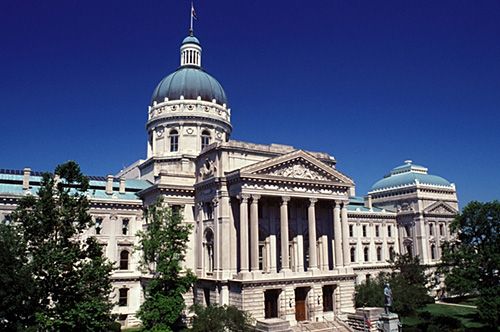
Several bills in Indiana’s legislature failed to advance as they missed a key committee deadline, but some may still resurface through last-minute legislative deals.
Why it matters: The stalled bills include significant proposals on gender definitions, abortion restrictions, and state symbols, reflecting ongoing political debates in the state.
- Senate Bill 21, which aimed to declare the breaded tenderloin as Indiana’s state sandwich, is among those that didn’t progress.
- More contentious were Senate Bills 182 and 236, which faced Democratic opposition and were not heard by the House committees.
Details:
- Senate Bill 182 sought to define gender terms and impose related policies, but it was not scheduled for a hearing in the House.
- Senate Bill 236 aimed to regulate abortion pills, allowing citizens to sue neighbors, but also didn’t get a hearing.
- A controversial utility siting bill and a measure scrutinizing ultra-processed foods in schools also missed the cutoff.
What’s next: While the bills are currently stalled, they could reappear in a conference committee report as legislators continue negotiations.
- The outcome will depend heavily on both legislative priorities and public response to these issues. (Indiana Capital Chronicle)
Supreme Court Strikes Down Trump’s Sweeping Tariffs, Upending Central Plank of Economic Agenda
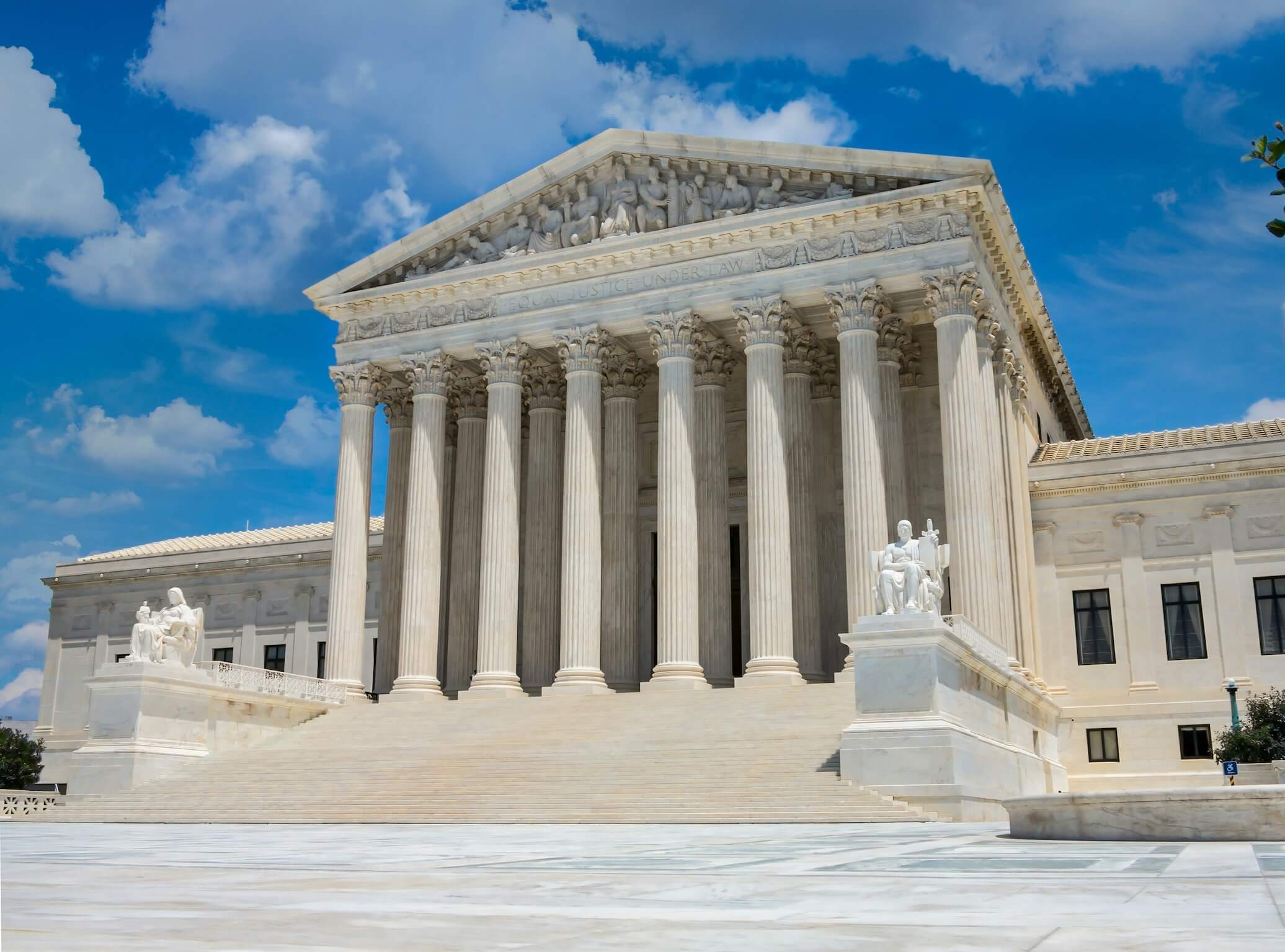
The Supreme Court struck down President Donald Trump’s extensive global tariffs, marking a significant defeat for his economic agenda.
Why it matters: This decision reaffirms Congress’s exclusive power to levy taxes, impacting Trump’s strategy to use emergency powers for imposing tariffs.
- The ruling emphasizes that the Constitution delegates taxing authority solely to Congress, a point underscored in Chief Justice John Roberts‘ opinion.
By the numbers: The economic impact of Trump’s tariffs was estimated at $3 trillion over the next decade.
- The Treasury collected over $133 billion from these tariffs, according to federal data.
What’s next: While the ruling limits Trump’s tariff actions, it doesn’t eliminate all his powers under other laws, though with more constraints.
- Companies like Costco are already seeking refunds through the courts. (IBJ)
Trump Attacks Supreme Court Justices After He is Handed a Major Tariff Loss
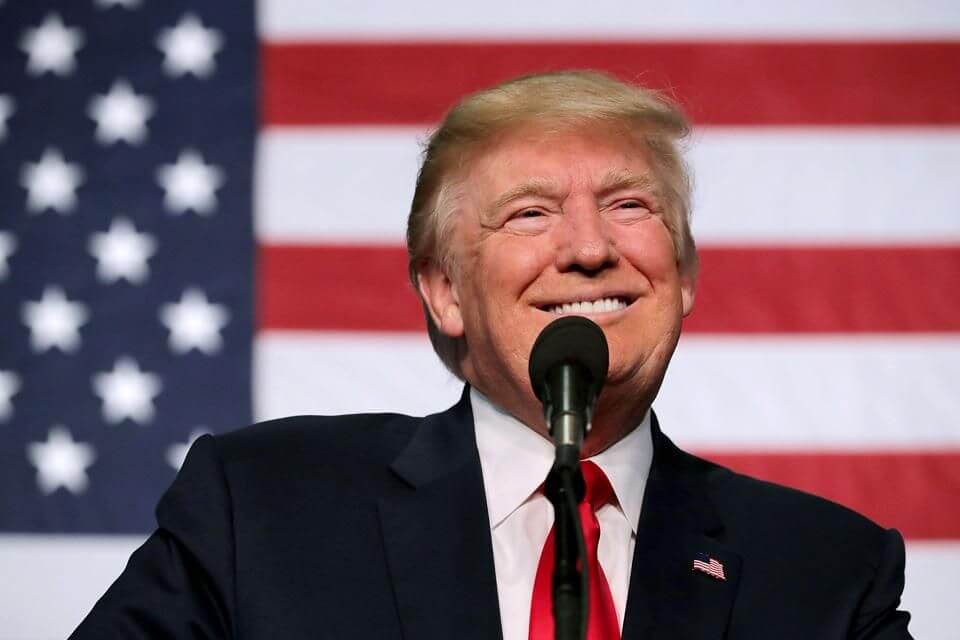
President Donald Trump admonished Supreme Court justices after they struck down his sweeping tariffs, accusing them of being influenced by foreign interests.
Why it matters: Trump’s response highlights his continued reliance on tariffs as a key economic strategy, even as legal challenges mount.
- The ruling limits Trump’s ability to use the International Emergency Economic Powers Act to implement tariffs without congressional approval.
The stakes: Trump announced a new 10% global tariff, disregarding calls for congressional oversight.
- This move further emphasizes his commitment to tariffs despite opposition and legal setbacks.
What they’re saying: Trump labeled the justices a “disgrace to our nation” and expressed disappointment in those he appointed, like Barrett and Gorsuch.
- He suggested foreign influence and vowed to maintain existing tariffs under new statutes.
The bottom line: Trump’s tariff strategy remains central to his political agenda, impacting both domestic industries and international trade relations. (Politico)
Governors Say Trump Told Them He Won’t Force Immigration Enforcement Surges on States
President Donald Trump assured governors he plans no surge of federal immigration operations in states where they’re not wanted.
Why it matters: This commitment comes amid concerns over the impact of federal enforcement on local communities, emphasizing state autonomy.
- New York Gov. Kathy Hochul and Maryland Gov. Wes Moore highlighted the importance of state consent in federal operations.
- Louisiana Gov. Jeff Landry noted successful integration of local, state, and federal efforts in his state.
The big picture: The meeting occurred at the National Governors Association winter conference, where governors discussed multiple issues including immigration enforcement and infrastructure.
- Trump’s statement was seen as a positive outcome by some governors, indicating a willingness to prioritize state interests.
What’s next: Trump will host a black-tie dinner for some governors, although controversy arose over the exclusion of certain Democrats.
- The meeting also saw discussions on energy prices and infrastructure projects like the Gateway Tunnel.
Worth noting: The Supreme Court’s ruling on tariffs overshadowed the meeting, with Trump vowing to maintain tariffs under different authorities. (Indiana Capital Chronicle)
Business Finds a Friend in SCOTUS Again
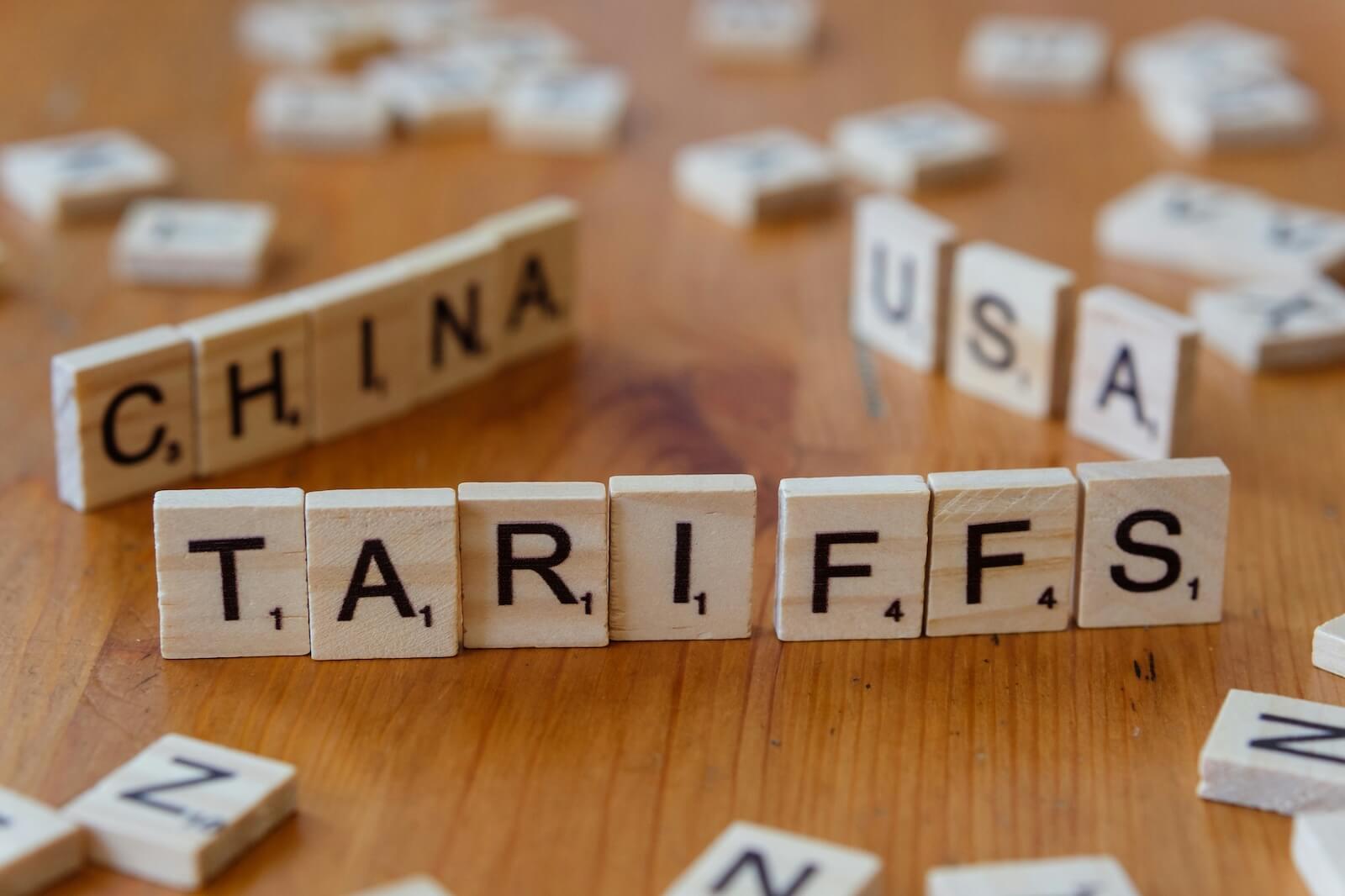
For close observers of the Supreme Court, the 6-3 ruling overturning President Trump's signature tariff policy Friday wasn't such a surprise.
- Under Chief Justice John Roberts, the conservative court has been overwhelmingly pro-business, research has shown.
- And, the U.S. shrimp industry notwithstanding, most businesses hated the tariffs. They were a frequent target of the Wall Street Journal editorial page. The Chamber of Commerce filed a brief with the court siding against the White House.
Flashback: A paper released in 2022 found that under Roberts, this Supreme Court is the most pro-business court "in a century."
- It has sided with business in cases involving a nonbusiness 63% on average in the years examined. Historically, that number had been 41%.
- The pro-business slant isn't just a matter of more Republican-appointed justices. Judges appointed by Democrats lean that way, too.
Zoom in: The paper's coauthor, Lee Epstein, a professor at Washington University in St. Louis, told Axios over the weekend she thinks the ruling aligns with their findings.
Where it stands: Just how attuned to markets is this court? Last week, the Supreme Court announced that litigants will soon be required to include company stock tickers in court documents.
- The aim is to help the justices figure out if they have a conflict of interest in the case.
The latest: Trump's loss isn't the end of his tariff regime. Over the weekend the president said he would increase global tariffs to 15%.
Follow the money: The ruling, meanwhile, said nothing about refunds — and companies are scrambling to figure out what to do, as the Wall Street Journal reported Saturday.
- U.S. trading partners are confused: "Nobody can make sense of it anymore — only unanswered questions and growing uncertainty for the EU and other US trading partners," Bernd Lange, the chief trade lawmaker in the European Parliament, posted on X yesterday.
The bottom line: That is not the closure the business community craved.
- "In short, trade uncertainty is not fading; it is merely shifting form," economist Bob Schwartz of Oxford Economics writes.
What to watch: The tariff decision was the first time in Trump's second term that the court definitively pushed back on one of the president's policies.
Share the Torchbearer Newsletter with Your Network!

Not signed up for our weekly newsletter? Sign up today!
Important Dates:

Important Session Dates:
February 24: 3rd Reading Deadline (Second Half)
February 25 through 27: Conference Committees
February 27: Anticipated Sine Die