
3/17/2026 Torchbearer Weekly Policy Update
Thank you for letting us be your trusted source for local, state, and federal policy updates.
Let’s dig in…
- Here’s How Indiana’s “Bring Your Baby to Work” Policy Is Going
- Central Indiana Officials Meet for ‘Long Overdue’ Data Center Discussion
- Trump Administration Kicks Off New Process to Try to Replace Tariffs Struck Down by Supreme Court
- Disaster Emergency Declared
- Affordable Housing Solutions
- State Revenues Beat Projections in February
- Share the Torchbearer Newsletter with Your Network!
- Important Dates
Here’s How Indiana’s “Bring Your Baby to Work” Policy Is Going

When Gov. Mike Braun announced his new "bring your baby to work" policy, it was widely panned as everything from out of touch to insulting.
Why it matters: Three months in, the administration is evaluating the policy's effectiveness and looking at how to expand it.
Driving the news: Braun announced his "Family First Workplace" policy in December, which allows some state employees to bring their infants — up to 6 months old — to work with them.
- It's being piloted in the governor's office, the Indiana Department of Health and the State Personnel Department.
Zoom in: One of the first people to take Braun up on his offer was Jessica Roeder, his deputy chief of staff for operations, and her newborn, Liesl.
- "She has a pretty good schedule," Roeder told Axios. "She normally sleeps in the mornings. She pops around to meetings with me … and brings great joy to the meetings we're in."
- Roeder admits it's not for every parent or every infant. While Liesl is generally a quiet, easy baby, she says her first child may not have been as easy to have around the office.
What she's saying: Roeder said she had a day care lined up for Liesl, but delayed her start after the new policy was adopted.
- "This has provided me with a lot of valuable time with her that I wouldn't have had otherwise," she said.
State of play: While bringing an infant to work is an impossibility for many workers and not going to solve the state's child care crisis, the Braun administration says it's one piece of a larger "family-friendly" policy that includes more parental leave.
- New parental leave for state employees is four weeks.
- Braun removed the waiting period for eligibility, which was six months, and added six weeks of "childbirth recovery leave" for new moms (eight weeks for mothers who deliver via C-section).
- That policy also applies now to cases of fetal loss after 20 weeks.
By the numbers: So far, three state employees have opted in to bringing their infant to the office.
- The governor's office told Axios that additional participation from those and three more state government departments is expected this spring.
Zoom out: Indiana has experienced a rash of child care center closures and has seen the waitlist for Child Care and Development Fund vouchers grow to more than 30,000 in response to the freeze on the program meant to help low-income working parents pay for child care.
- Despite calls to direct more funding to the program during the legislative session that ended last month, the moves made were relatively small.
- Senate Enrolled Act 4 allows Braun to direct money from the Financial Responsibility and Opportunity Growth Fund to CCDF.
- Another measure expands tax credits for businesses that provide child care to employees.
What's next: Additional state agencies may join as the pilot expands.
- "Findings from the pilot will help inform future decisions, with the long-term goal of making the program available to all employees who want to take advantage of it … where it aligns with operational needs and agency missions," the office's spokesperson told Axios. (Axios)
Central Indiana Officials Meet for ‘Long Overdue’ Data Center Discussion

The arrival of the data center boom has caught many leaders in central Indiana off guard, as they scramble to create a coordinated plan for development.
Why it matters: Municipal leaders are facing challenges as data centers can strain resources without providing substantial job growth.
- Concerns over water and electricity usage have led residents to mobilize against these projects, causing companies like Google to reconsider.
The big picture: The demand for data centers is driven by the rise of artificial intelligence, with investments predicted to grow significantly.
- Experts liken this surge to the internet buildout, emphasizing its unprecedented nature.
What’s next: Leaders are urged to engage in conversations and planning to harness the economic benefits while addressing potential downsides.
- Utility companies stress the importance of early project communication to meet energy demands effectively. (IBJ)
Trump Administration Kicks Off New Process to Try to Replace Tariffs Struck Down by Supreme Court
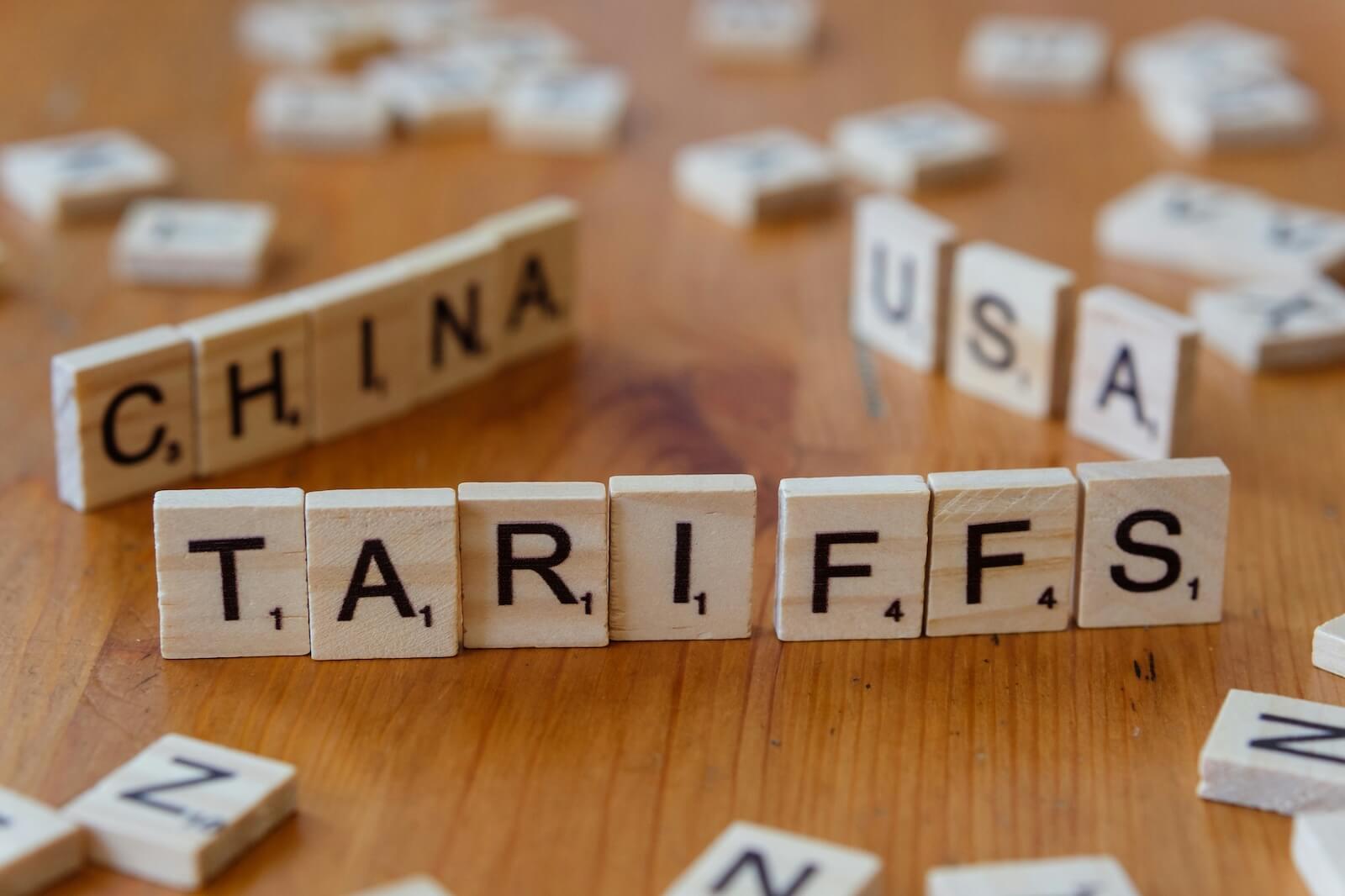
The Trump administration has opened a new trade investigation into foreign manufacturing, following the Supreme Court’s ruling against previous tariffs.
Why it matters: This move aims to replace lost revenue and protect American jobs by exploring new tariffs under Section 301 of the Trade Act of 1974.
- The investigation targets countries like China, the EU, and others for potential unfair advantages.
Driving the news: U.S. Trade Representative Jamieson Greer emphasized the goal is to protect jobs, with possible new tariffs as a result of the investigation.
What’s next: The administration faces a 150-day deadline to finalize these investigations, as current tariffs are set to expire on July 24.
- Greer mentioned potential additional investigations into digital service taxes and other areas. (IBJ)
Disaster Emergency Declared

Governor Mike Braun has declared a state of disaster emergency in Jasper, Newton, and Starke counties due to severe weather and tornado activity.
Why it matters: The declaration allows state resources to be mobilized, providing crucial assistance to communities impacted by widespread damage.
- Severe weather on March 10, 2026, caused significant destruction to homes, businesses, and infrastructure, leading to power outages and injuries.
State response: The Indiana Department of Homeland Security (IDHS) is coordinating emergency response efforts.
- State assistance will supplement local resources, focusing on preparation, response, recovery, and mitigation activities.
What’s next: The disaster emergency status will last for 30 days, during which time state agencies will provide assistance as needed to ensure public safety. (Indiana.gov)
Affordable Housing Solutions

Sen. Jim Banks (R-Ind.) helped write a provision in a bipartisan Senate housing bill that could help communities like Indianapolis turn abandoned buildings into housing.
Why it matters: Indianapolis has more than 1,800 vacant properties, according to Banks' office, and the new program could turn them into a tool for tackling the housing shortage.
State of play: The RESIDE Act would set aside up to $100 million annually for a four-year pilot program in which communities could compete for grants ranging from $1 million to $10 million.
- The money could be used to buy abandoned buildings — such as warehouses, factories, hotels and strip malls — at market price, perform site cleanup, and make repairs needed to convert them into affordable housing.
What they're saying: "Owning a home is such a big part of the American dream. But with prices so high, especially for young people, we have to get serious about building more homes," Banks said in a statement. "This bill is a commonsense way to revitalize our communities and give more families a real chance to buy a home."
The latest: The measure is part of a bipartisan housing package the Senate passed overwhelmingly last week.
- The 21st Century ROAD to Housing Act, which passed 89-10, is the bipartisan product of negotiations between Sens. Tim Scott (R-S.C.) and Elizabeth Warren (D-Mass.), and is aimed at incentivizing more homebuilding.
Yes, but: Republican backlash in the House over restrictions on institutional investors is threatening to tank the larger measure, even though much of the bill is the same as a housing package the House passed last month.
The bottom line: Either House Republicans accept the changes in the Senate bill, or the stalemate sets the chambers up for a conference to negotiate a compromise. (Axios)
State Revenues Beat Projections in February

Indiana’s General Fund revenues for February totaled $1.4 billion, surpassing the April 2025 forecast by $63.6 million or 4.7%.
Why it matters: This revenue boost reflects a healthier-than-anticipated state economy, driven by strong income and sales tax collection.
- Income tax collections were 9.6% higher than expected, while cigarette taxes saw a significant 21.4% rise.
By the numbers: February’s collections were 8.8% higher compared to the same month last year.
- Year-to-date, General Fund revenues are $14.4 billion, exceeding forecasts by $74.2 million.
What’s next: The only shortfall was in racino wagering tax collections, which fell below estimates.
- Ongoing economic analysis will help adjust future forecasts and fiscal planning.
Go deeper: Read the full report here. (Inside Indiana Business)
Share the Torchbearer Newsletter with Your Network!

Not signed up for our weekly newsletter? Sign up today!
Important Dates:

Important Dates:
May 5, 2026: Primary Election Day
May 12, 2026: Anticipated Technical Corrections Day