
5/19/2026 Torchbearer Weekly Policy Update
Thank you for letting us be your trusted source for local, state, and federal policy updates.
Let’s dig in…
- Fed’s New Era
- Majority of Indiana Reps Approve Year-Round E15 Sales Bill Passed by House
- Indiana Unveils Medicaid Overhaul Aimed at Pressuring Hospitals to Lower Prices
- Workforce Pell Grants: Financial Aid Coming for Low-Income Hoosiers Pursuing Industry Credentials
- Indiana’s New A-F School Accountability System Clears Last Hurdles
- Indiana Changes Hospital Payments to Promote Affordability
- How Will A New National School Choice Program Affect Indiana? It’s Complicated.
- Share the Torchbearer Newsletter to with Your Network!
- Important Dates
Fed’s New Era

The Senate confirmed Kevin Warsh, 54–45, as the 17th leader of the Fed — making him America's economist-in-chief at a moment of resurgent inflation, public discontent with the economy and unprecedented attacks on the Fed's independence.
- Warsh takes the helm of the central bank after Jay Powell's term ends tomorrow.
The big picture: Warsh has promised sweeping changes at an institution that he argues has grown too unwieldy and too willing to intervene in the economy.
- He inherits buoyant financial markets and an AI-driven growth surge — but also the five straight years of elevated inflation that has spiked again due to the Iran war.
🔭Zoom out: The debate over interest rates will occur against a backdrop of historically unique threats to the Fed's ability to act without regard to political influence.
- A Supreme Court case over whether Trump can fire Biden-appointed governor Lisa Cook is pending.
- Powell is remaining on the Fed Board of Governors, contrary to modern precedent, saying he sees an ongoing threat from the Trump administration to reopen a criminal investigation into the Fed's building renovations.
Majority of Indiana Reps Approve Year-Round E15 Sales Bill Passed by House
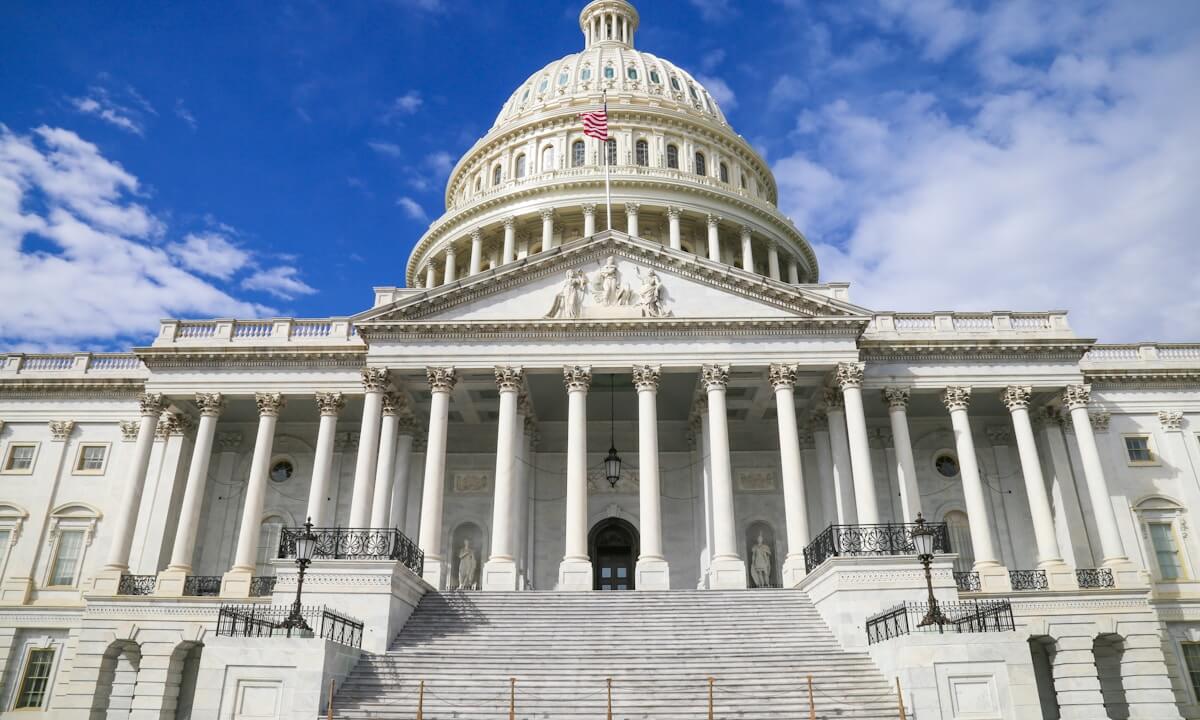
The U.S. House of Representatives approved H.R. 1346, allowing year-round sales of E15 gasoline, with strong support from Indiana’s representatives.
Why it matters: E15, a blend of 15% ethanol and 85% gasoline, is traditionally restricted during summer for air quality reasons.
- Indiana’s ethanol industry, with 15 production plants, supports 35,000 jobs and generates $3.5 billion in economic activity.
The big picture: Ethanol production is vital for Indiana’s economy and its agricultural sector.
- Congressman Jim Baird highlights E15’s impact on corn farmers and rural economies, emphasizing energy independence and domestic manufacturing.
What’s next: The bill now moves to the U.S. Senate for consideration.
- The Indiana Farm Bureau urges the Senate to pass the bill to boost corn demand and support farmers. (Inside Indiana Business)
Indiana Unveils Medicaid Overhaul Aimed at Pressuring Hospitals to Lower Prices

Indiana officials have unveiled a groundbreaking Medicaid financing overhaul, aiming to pressure hospitals to lower commercial healthcare prices while boosting funds for rural and lower-cost providers.
Why it matters: This initiative is pivotal in addressing Indiana’s high healthcare costs and managing its growing Medicaid spending.
- By aligning Medicaid payments with real-world pricing, the state rewards hospitals that maintain affordability and pressures those with high commercial prices to reduce rates.
The latest: Approved by federal regulators, the changes revamp how Indiana taxes hospitals and distributes supplemental Medicaid payments.
- The new payment structure ties reimbursement increases to providers’ average commercial prices, using state funds to encourage lower rates.
- Hospitals with lower commercial rates will see larger Medicaid payment increases, while higher-priced systems will receive smaller boosts.
What’s next: The payment changes will take effect on January 1, 2026.
- Public rural hospitals and critical access hospitals will receive the highest reimbursement increases, directing more funds to lower-cost and rural providers.
- The state is also exploring additional affordability measures, including possible commercial givebacks linked to pricing behavior. (Indiana Capital Chronicle)
Workforce Pell Grants: Financial Aid Coming for Low-Income Hoosiers Pursuing Industry Credentials

Federal financial aid will soon be available for Hoosiers seeking industry credentials instead of attending college.
Why it matters: The new Workforce Pell Grants aim to increase access to education and job opportunities for high school graduates in Indiana.
- These grants do not need to be repaid, making them an attractive option for those wanting to enter the workforce quickly.
- Indiana is prioritizing credentials in high-demand fields like advanced manufacturing and information technology.
Details: The Indiana Commission for Higher Education is collaborating with Ivy Tech Community College and Vincennes University as pilot institutions.
- Workforce Pell Grants will be restricted to 8-14 week credential programs with high completion and employment rates.
What’s next: Public feedback will be collected once federal rules are finalized, and the program is expected to launch by July.
- Only Title IV colleges can participate, though partnerships with ineligible providers are allowed for some training. (Indiana Capital Chronicle)
Indiana’s New A-F School Accountability System Clears Last Hurdles
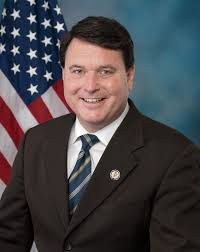
The overhaul of Indiana’s K-12 school accountability ratings is set to proceed despite objections from Attorney General Todd Rokita.
Why it matters: The new system aims to better reflect student progress, but Rokita warns it could dilute academic standards.
- Critics argue the changes may not accurately reflect student proficiency, potentially undermining school choice reforms.
The big picture: The revised A-F model, approved unanimously by the Board of Education, replaces schoolwide averages with individual student scores based on proficiency and growth.
- The new approach aligns with changes to Indiana’s high school diplomas and graduation requirements.
What’s next: The new ratings will take effect in the 2026-27 school year, with a transition period in 2025-26 during which no punitive actions will be taken against low-rated schools.
- Rokita continues to urge reconsideration of the approach to maintain transparency and accountability. (Indiana Capital Chronicle)
Indiana Changes Hospital Payments to Promote Affordability
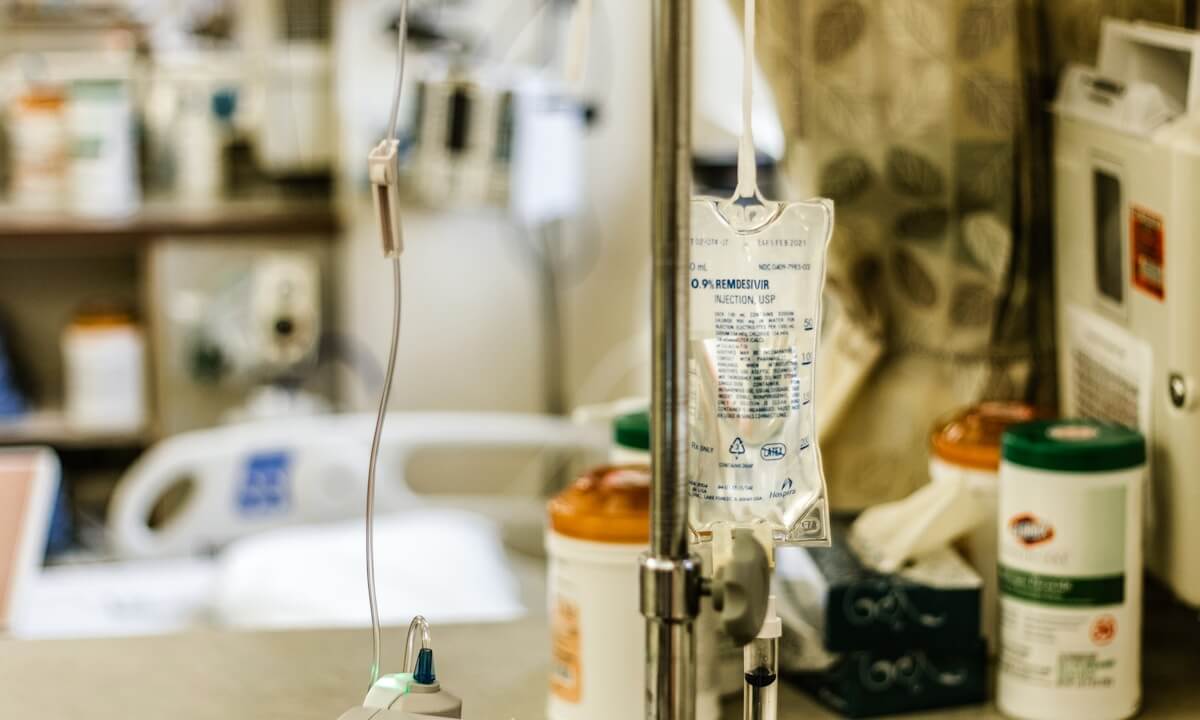
Indiana has made major changes to the way it pays hospitals in an effort to make health care more affordable, taking a novel approach that officials have said is a first in the nation.
Why it matters: It's a real attempt at lowering Indiana's high hospital prices, something that could eventually lower costs for Hoosiers.
State of play: The state announced Friday that it had received federal approval for major updates to two policies — the Hospital Assessment Fee (HAF) program and the State Directed Payment (SDP) initiative.
- The state is maximizing HAF payments to secure a larger federal Medicaid match, which would then flow back to hospitals through enhanced reimbursements from the SDP program.
- How much hospitals receive under that model will depend on their commercial pricing.
What they're saying: "This funding is certainly significant; however, it does not fully close the gap, and more work remains to ensure Medicaid reimbursement is sustainable long-term."
How it works: The state-directed payment model directly links Medicaid increases to commercial prices — hospitals with lower prices receive larger Medicaid increases, while more expensive hospitals get smaller increases.
- In recognition of their tight margins and safety-net role, public rural hospitals, critical access hospitals and certain consent-decree hospitals will get the highest increases without being asked to cut prices.
- "This alignment of public payments with pricing behavior marks a major shift in Indiana's affordability strategy and is designed to move the market toward more reasonable, transparent commercial rates," the state said in a news release.
Yes, but: A state report released late last year found that four of Indiana's five largest nonprofit hospital systems were already hitting the pricing benchmark that the model is supposed to be incentivizing them to meet.
- The average commercial prices at Ascension Health, Community Health Network, Indiana University Health and Parkview Health were already under the goal of 265% of the Medicaid rate, meaning they'd receive the maximum state payment increase without having to make any changes.
- Franciscan Health's 271% rate would put them in the second tier, meaning the system would receive a 148% payment rate rather than the 155% of the others.
Zoom in: High reimbursement rates for rural hospitals are coupled with a $177 million investment to help stabilize safety-net providers that often operate with the thinnest profit margins and are struggling with the federal government's overhaul to the Medicaid program.
- "These reforms allow us to strengthen the hospitals that serve as the backbone of care for our communities, while finally addressing the commercial prices that have been driving up costs for Hoosier families," said Mitch Roob, Indiana's Family and Social Services Administration secretary.
What we're watching: Whether hospital prices, which have already been trending downward in the state, are noticeably impacted by the new policies. (Axios)
How Will A New National School Choice Program Affect Indiana? It’s Complicated.

A new federal tax credit program, hailed as the first national school choice initiative, aims to help families manage Indiana’s increasing private school tuition costs. However, it may favor wealthier urban areas over rural ones.
Why it matters: This program could potentially alleviate financial burdens for families seeking private education, but disparities in eligibility criteria may widen the gap between urban and rural communities.
- Urban areas with higher median incomes may benefit more due to eligibility tied to income levels.
- Rural areas, with fewer private schooling options, might not reap the same advantages.
The big picture: Indiana legislators must opt into the program for families to benefit. If they do, the additional scholarship funding could offset rising tuition costs that aren’t covered by state vouchers or existing scholarships.
- The program offers a dollar-for-dollar federal tax credit for donations to scholarship-granting organizations (SGOs).
What’s next: Nonprofit organizations can start accepting donations and distributing scholarships in December 2026. Still, the program’s growth may be slow due to limitations on donation types and amounts. (Chalkbeat)
Share the Torchbearer Newsletter with Your Network!

Not signed up for our weekly newsletter? Sign up today!
Important Dates:

Important Dates:
Thursday, July 23rd at 10:00am: Commission for Higher Education at the Indiana State Library
Tuesday, August 11th at 9:00am: State Board of Education at Government Center South
We will add interim study committee meetings as they are announced.